168飞艇官网开奖结果记录数据查询网-幸运飞行艇官方开奖结果官网直播-168飞艇 -Transform your HR, health & safety and people management
Discover the HR platform that streamlines your processes—all in one place
- Employee database and custom reporting
- Unlimited cloud based document storage
- Reduce paperwork and manual processes
- Gain 24/7 expert employment law advice
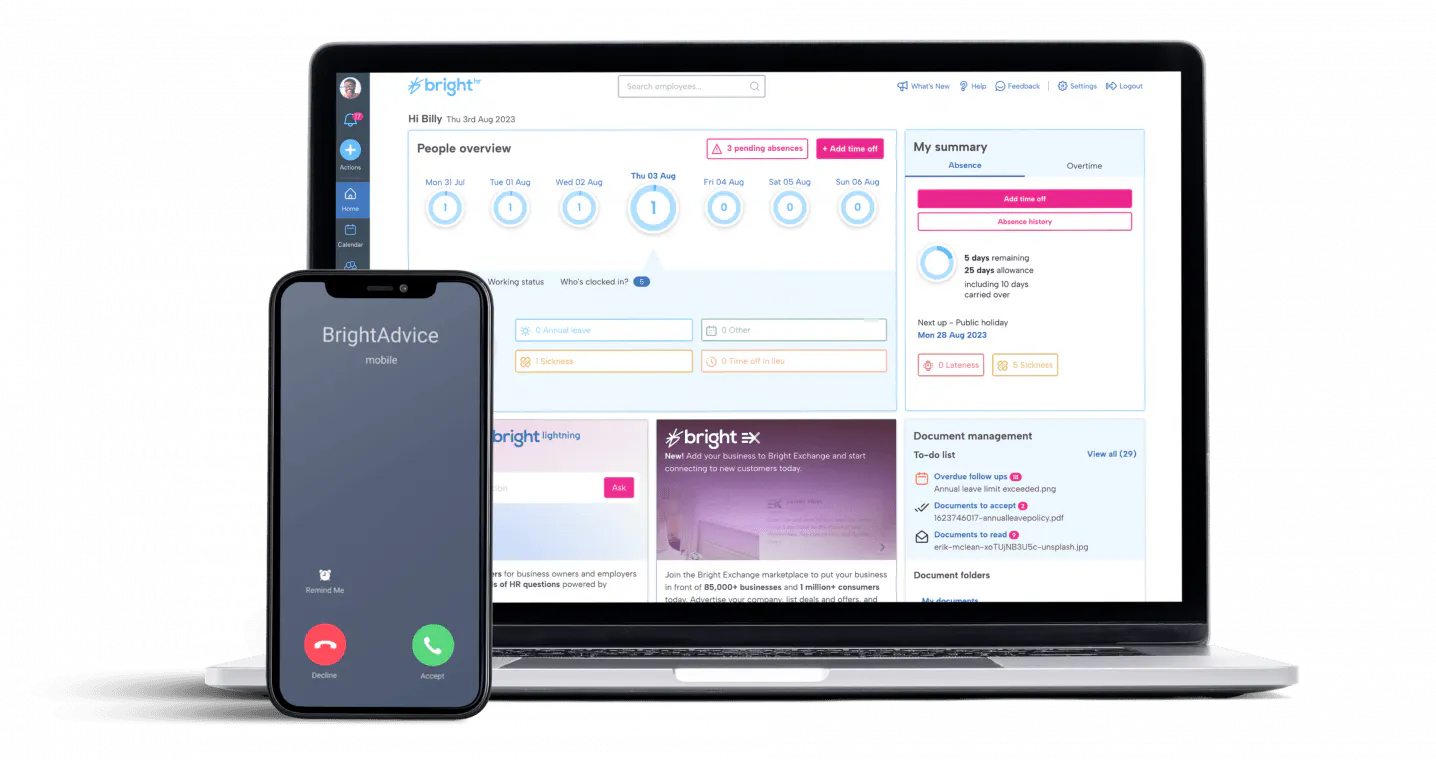
幸运飞行艇官方开奖结果官网直播 幸运飞行艇官方开奖记录查询结果预测 Simplify your people management with our time-saving HR and health & safety software and services
BrightHR: Everything you need to manage your staff—in one place
Manage annual leave in a click
Clock in and out with Blip our easy-to-use clock in app
Track attendance, sickness and absences
Store documents securely with unlimited cloud storage
Plan shifts and rotas for ANY working pattern
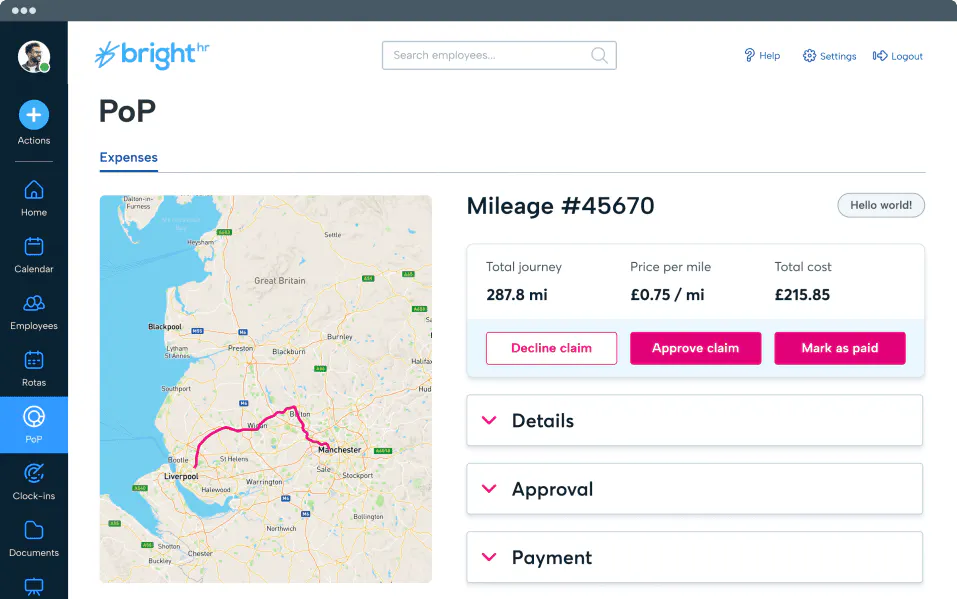
Manage and calculate your expenses with the PoP app
Export payroll-ready data with ease
Maintain legally compliant HR documents
Track overtime and update your payroll

BrightSafe: Health & safety software that supports EVERY industry
Manage all your health & safety responsibilities in one place
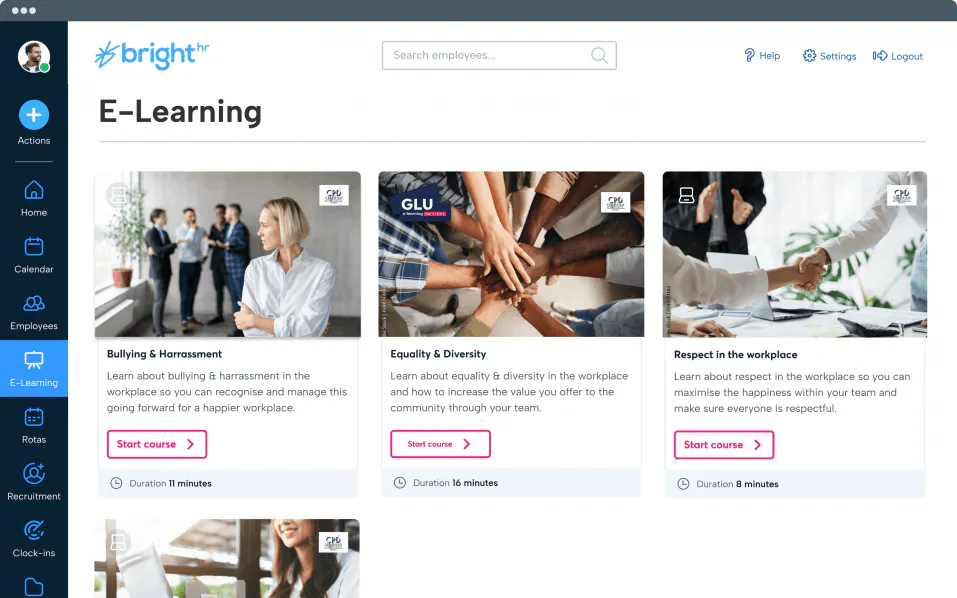
Roll out health & safety training in line with the law
Gain 24/7 access to reliable health & safety consultants
Prevent serious injury by conducting risk assessments
Lower risks of accidents and near misses with real-time reporting
Store your documents with unlimited secure cloud storage
Stay in the loop at all times with our health & safety app
Join 100,000+ global businesses that trust 幸运飞行艇官方开奖记录查询-幸运飞行艇官方开奖-飞艇168官方开奖历史 BrightHR
Join 100,000+ global businesses that trust 幸运飞行艇官方开奖记录查询-幸运飞行艇官方开奖-飞艇168官方开奖历史 BrightHR







幸运飞行艇官方开奖 开奖查询计划网 幸运168飞艇官网开奖结果号码查询 Our services helping you navigate changing employment law and staff wellbeing
BrightAdvice:
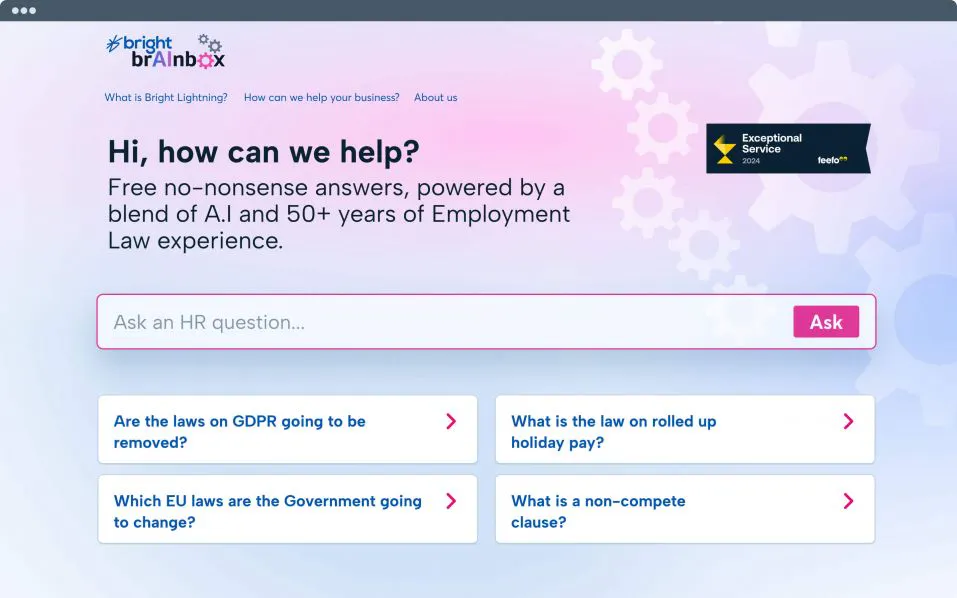
Reach a team of HR and employment law experts 24/7 and stay compliant with your HR documents

BrightWellbeing:
Boost employee morale, increase productivity, and reduce staff sickness with 24/7 mental health support

Discover our free tools that help your business grow
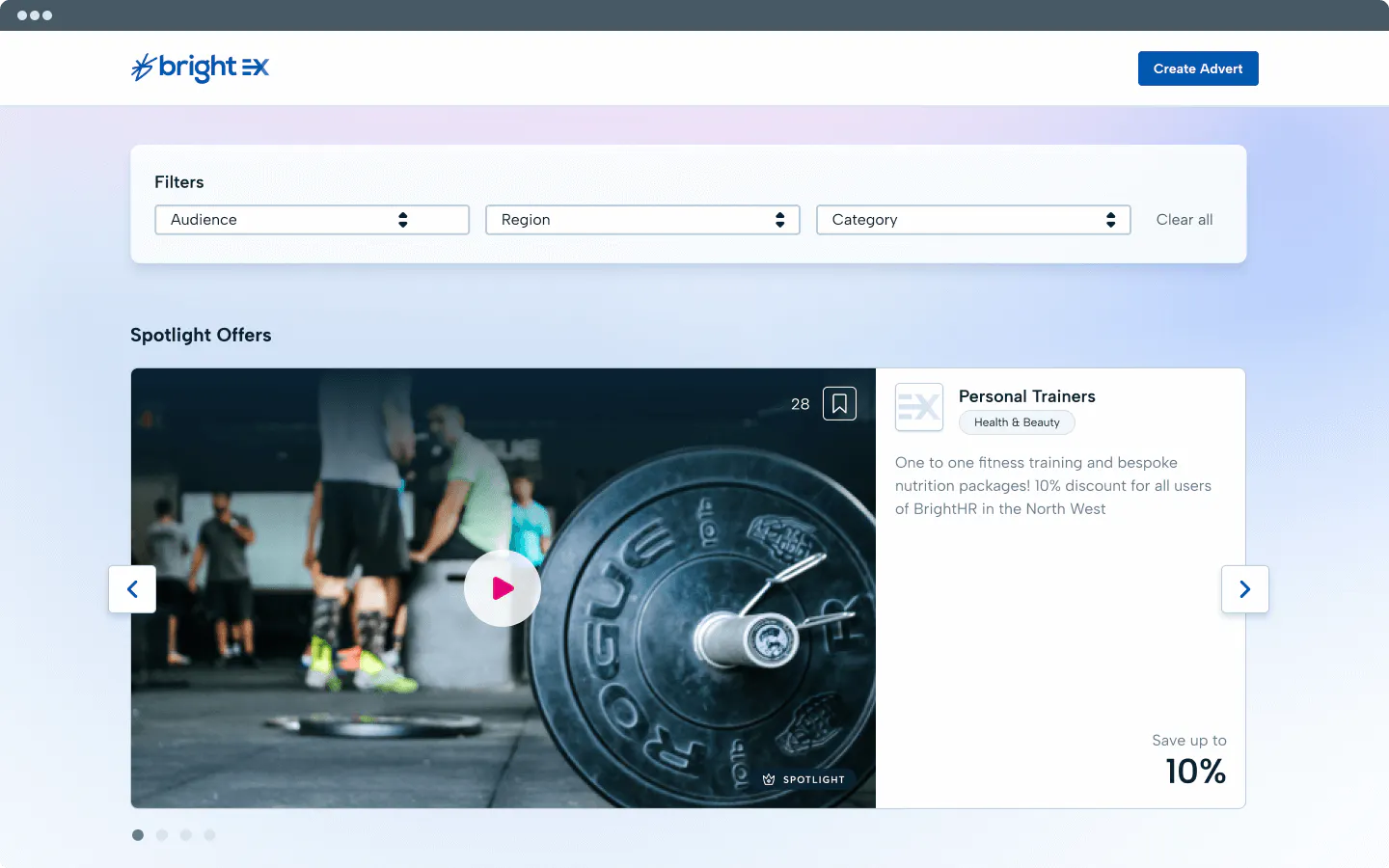

BrightExchange
Reach 1 million+ potential customers globally with our unlimited FREE advertising platform. Plus, give your staff access to money-saving perks
Ready to get started?
Get in touch and discover how 幸运飞行艇官方开奖记录查询-幸运飞行艇官方开奖-飞艇168官方开奖历史 BrightHR can revolutionise your people management today.
I absolutely LOVE BrightHR!
Before we had this, our holiday entitlement and absence recording was woefully managed on Excel.
168开奖直播168极速赛车官方开奖号码结果查询 168幸运飞行艇官方开奖历史记录 BrightHR has been a complete lifesaver for our business
Having BrightHR has been a complete lifesaver for our business. Our staff absolutely love using the system.
HR software built for 21st century companies
Great value proposition without the fluff. Built for 21st century companies. Everything set up instantly, great customer service, understand the need for speed for the busy entrepreneur.

The time-saving clocking app for ALL businesses
Gain access to Blip, our exclusive clocking-in and out app
Get real-time updates on who’s in, off or on a break
Use handy geolocation tracking to manage staff in any location
Cut your admin time in half as employees log their OWN hours
Make sure you’re meeting Working Time Regulations
Our latest insights

Friday, May 31, 2024
Our Lifeline in the Skies: Celebrating 幸运飞行艇官方开奖记录查询-幸运飞行艇官方开奖-飞艇168官方开奖历史 BrightHR’s new partnership with North West Air Ambulance

Friday, May 24, 2024
How could the General Election impact you as a business owner?

Tuesday, May 21, 2024
HR Heartbeat: Proposed TUPE reforms, 70% of utility companies risk failing HSE inspections, superyacht tribunal controversy, and…
Become a 幸运飞行艇官方开奖记录查询-幸运飞行艇官方开奖-飞艇168官方开奖历史 BrightHR partner
Thanks to our transparent recording system, 68% of businesses have seen a decrease in staff lateness after two years of using Bright.
- Santander
This new partnership with BrightHR offers a service that will provide real value to our customers. We understand how much time goes into administration when managing a small business.
- Graeme Sands, Head of Business Lending & Products @ Virgin Money
I use BrightHR software for people management in my café business, and it’s a total game-changer. BrightHR software has made our staff management and HR so simple. I couldn’t recommend it more, it’s cracking!
- Andy Reid MBE - Armed Forces Veteran and Business Owner
Interested in 幸运飞行艇官方开奖记录查询-幸运飞行艇官方开奖-飞艇168官方开奖历史 BrightHR? See it in action
Dive into our award-winning software and see our range of people management tools for yourself